Jumping Spider Feeding Guide: A Comprehensive Plan
This guide details optimal diets for jumping spiders, covering natural prey, captive feeding basics, appropriate sizes, and enrichment strategies for a thriving pet.
Jumping spiders are active hunters with specialized dietary needs, differing significantly from web-building species. Understanding their natural prey is crucial for successful captive care. These fascinating arachnids require a protein-rich diet to fuel their energetic lifestyle and vibrant colors.
In the wild, they primarily consume insects and small arthropods. Replicating this diet in captivity ensures optimal health, growth, and molting. A varied diet, mimicking their natural food sources, is key to preventing nutritional deficiencies and promoting overall well-being. This guide will explore appropriate food choices and feeding strategies.
II. Natural Prey in the Wild
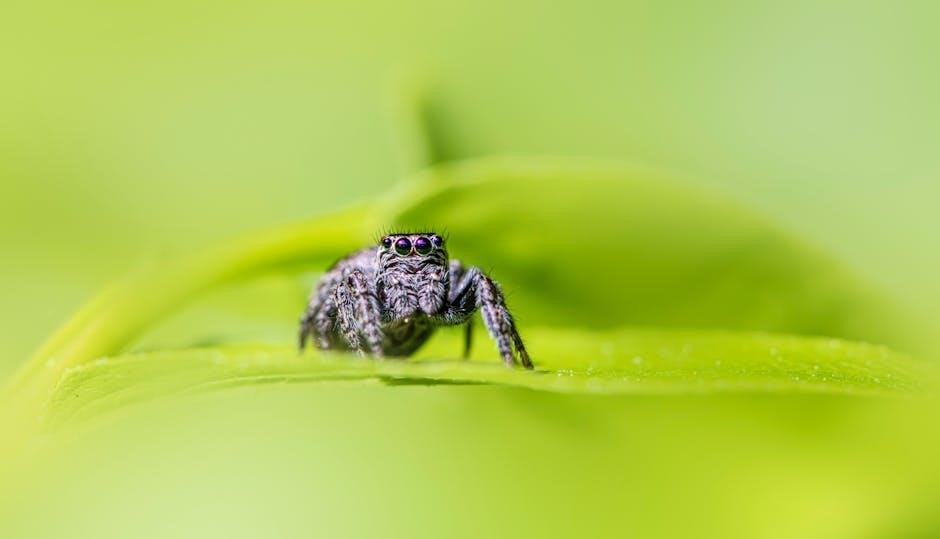
Jumping spiders exhibit a diverse palate in their natural habitats, preying on a wide range of small invertebrates. Their diet consists largely of insects, including flies, moths, and beetles, readily available in various environments. They are opportunistic hunters, also consuming small arthropods like crickets and other tiny creatures they encounter.
This varied diet provides essential nutrients for their active lifestyle and vibrant coloration. Observing their hunting behavior in the wild reveals their preference for mobile prey. Understanding these natural food sources is vital for replicating a healthy and balanced diet in captivity, ensuring optimal spider health.
III. Primary Food Sources
When considering a jumping spider’s diet, several food sources stand out as excellent options for captive care. Insects form the cornerstone, with flies, crickets, and mealworms being readily accepted and easily obtainable. These provide crucial protein and chitin for healthy growth and molting.
Alongside insects, small arthropods like moths and beetles can supplement their diet, offering variety. It’s important to ensure prey isn’t larger than the spider, and gut-loading enhances nutritional value. A diverse diet mimics their natural intake, promoting overall well-being.
A. Insects
Insects are the primary protein source for jumping spiders, both in the wild and captivity. Flies are easily accepted due to their erratic movement, stimulating the spider’s hunting instincts. Crickets offer a substantial meal, but ensure they are appropriately sized to prevent injury. Mealworms provide a convenient, readily available option, though they shouldn’t be the sole food source.
Variety is key; rotating between these insects ensures a balanced diet. Gut-loading insects with nutritious foods before feeding maximizes the benefits for your spider, contributing to vibrant health and successful molts.
Flies
Flies are an excellent choice for jumping spider diets, mimicking their natural prey. Their quick, unpredictable flight patterns strongly trigger the spider’s predatory drive, providing crucial mental and physical stimulation. Fruit flies are ideal for spiderlings, while larger house flies suit adults. Ensure flies are wingless or have limited flight to prevent escape and frustration.
Captive-bred flies are preferable to wild-caught, minimizing pesticide exposure. Offering a few flies at a time encourages a successful hunt, contributing to a healthy and engaged jumping spider.
Crickets
Crickets represent a substantial and nutritious meal for jumping spiders, particularly juveniles and adults. Their size and movement provide a challenging, enriching hunt. Ensure crickets are appropriately sized – no larger than the spider’s abdomen – to prevent injury during the chase. Gut-loading crickets with nutritious foods before feeding enhances their nutritional value for your spider.
Remove any uneaten crickets promptly to avoid stressing the spider or causing potential harm. Crickets should be a supplemental, not primary, food source due to their chitinous exoskeleton.
Mealworms
Mealworms are a convenient and readily available food source for jumping spiders, offering a good source of protein and fat. However, they are relatively low in essential nutrients compared to other insects. It’s crucial to offer mealworms as part of a varied diet, not as the sole food source, to ensure complete nutrition.
Dusting mealworms with calcium and vitamin D3 supplements is highly recommended, especially for growing spiderlings. Offer appropriately sized mealworms; smaller ones are best for spiderlings, while larger ones can be given to adults. Remove uneaten mealworms to prevent them from burrowing.
B. Small Arthropods
Beyond insects, jumping spiders consume various small arthropods in the wild, contributing to a diverse nutritional intake. These include tiny beetles and moths, offering different nutrient profiles than typical feeder insects. Providing these options in captivity can enrich your spider’s diet and stimulate natural hunting behaviors.
Sourcing these can be challenging, but occasionally offering flightless fruit flies or springtails (cultured cultures are best) can be beneficial. Ensure any collected arthropods are from pesticide-free environments. Variety is key to a healthy and stimulated jumping spider!
Moths
Moths represent a natural and appealing food source for jumping spiders, mirroring prey encountered in their wild habitats. Their erratic flight patterns strongly trigger a spider’s predatory instincts, providing excellent hunting practice and mental stimulation. Offering moths in captivity, however, requires careful consideration.
Wild-caught moths may carry pesticides or parasites, posing a risk to your spider. Cultured moths, specifically designed as reptile or spider food, are a safer alternative. Ensure the moth is appropriately sized for your spider to prevent injury during the hunt.
Beetles
Beetles can be a nutritious addition to a jumping spider’s diet, offering a different texture and nutritional profile than softer-bodied insects; Darkling beetles, mealworms (in their beetle stage), and other small, non-toxic beetles are suitable options. However, some beetles possess hard exoskeletons that can be difficult for smaller spiders to penetrate.
Ensure the beetle is appropriately sized and consider slightly stunning it to aid the spider’s hunting process. Avoid brightly colored or unusually patterned beetles, as these may indicate toxicity. Variety is key, so don’t rely solely on beetles as a food source.
IV. Feeding Jumping Spiders in Captivity: Basics
Feeding in captivity requires mimicking a natural hunting experience. Avoid simply leaving prey in the enclosure; instead, offer it using tongs or allow it to roam within the spider’s habitat. This encourages the spider’s active hunting instincts and provides enrichment. Observe your spider’s hunting behavior to ensure successful feeding.
Maintain a clean enclosure by removing uneaten prey within 24 hours to prevent mold or unwanted pests. Provide a clutter-free feeding space, allowing the spider clear visibility of its prey. Consistent feeding routines establish trust and encourage a healthy appetite.
V. Appropriate Prey Sizes
Selecting the correct prey size is crucial for successful feeding and preventing injury. Prey should generally be no larger than the spider’s abdomen, ensuring easy capture and digestion. Spiderlings require pinhead crickets or fruit fly larvae, while juveniles can handle small to medium crickets or mealworms.
Adult jumping spiders can consume larger prey, such as appropriately sized crickets or small roaches. Avoid offering prey that is too large, as it can stress the spider or lead to regurgitation. Regularly assess your spider’s size and adjust prey accordingly.
VI. Feeding Frequency & Schedule
Feeding frequency varies based on the spider’s age and size. Spiderlings, rapidly growing, need daily feedings to support development. Juveniles typically require feeding every other day, while adults can be fed 2-3 times per week. Observe your spider’s abdomen; a plump abdomen indicates sufficient feeding.
Establish a consistent feeding schedule to encourage a healthy appetite. Remove uneaten prey within 24 hours to prevent mold or stress to the spider. Adjust the schedule based on molting cycles, as spiders often refuse food before and during a molt.
A. Spiderling Feeding
Spiderlings require frequent, small meals to fuel their rapid growth. Offer appropriately sized prey – pinhead crickets or flightless fruit flies are ideal. Feed daily, ensuring the spider consumes the prey within 24 hours. Monitor the spiderling’s abdomen; a noticeably fuller abdomen indicates successful feeding.
Gentle assistance may be needed initially. Use soft tweezers to present the prey, encouraging a hunting response. Avoid overfeeding, as spiderlings can easily become obese. Consistent, small meals are key to healthy development during this crucial stage.
B. Juvenile Feeding
As jumping spiders transition into their juvenile stage, their appetite and prey requirements increase. Offer slightly larger prey items, such as small crickets or more substantial fruit flies, every other day. Observe their hunting behavior to ensure they can successfully subdue the offered food. A plump abdomen still indicates adequate nutrition.
Continue monitoring for uneaten prey, removing it promptly to prevent mold or escape. Introduce variety slowly, and ensure prey is appropriately gut-loaded for maximum nutritional benefit. Adjust feeding frequency based on the individual spider’s growth rate.
C. Adult Feeding
Adult jumping spiders require a consistent, yet not excessive, feeding schedule. Offer appropriately sized prey – medium crickets or larger mealworms – two to three times per week. Monitor their abdomen size; a round, plump abdomen indicates sufficient intake. Reduce frequency if the abdomen appears overly full.
Adults can handle larger prey, but avoid anything that significantly exceeds their body size. Continue to rotate prey types for a balanced diet and enrichment. Observe their hunting success and adjust prey accordingly, ensuring a healthy and active spider.
VII. Gut Loading Prey
Gut loading is crucial for maximizing the nutritional value of feeder insects. Feed crickets, mealworms, or other prey a nutritious diet for at least 24-48 hours before offering them to your spider. Ideal gut-loading foods include dark leafy greens, carrots, sweet potatoes, and commercial gut-loading diets.
This process enriches the insects with essential vitamins and minerals, which are then passed on to your jumping spider. Gut-loaded prey ensures your spider receives a more complete and beneficial meal, contributing to overall health and vitality.
VIII. Supplementation: Calcium & Vitamins
While a gut-loaded diet is beneficial, occasional supplementation can further enhance your jumping spider’s health, particularly for growing spiderlings or molting individuals. A very light dusting of calcium powder (without D3) on prey items once or twice a week can prevent deficiencies.
Vitamin supplements are generally less critical with a varied diet, but a reptile multivitamin can be used sparingly. Over-supplementation can be harmful, so moderation is key. Observe your spider for signs of deficiency, like leg weakness, before supplementing.
IX. Water Sources for Jumping Spiders
Jumping spiders obtain most moisture from their prey, but providing supplemental water is crucial, especially in drier environments. Misting the enclosure lightly once or twice a day creates water droplets on the sides that the spider can drink.
Avoid deep water dishes, as spiderlings can drown. A dampened cotton swab offered periodically can also provide hydration. Ensure the substrate remains slightly moist, but not soggy, to maintain humidity. Regularly observe your spider to confirm it’s accessing water.
X. Recognizing Feeding Response
A healthy jumping spider exhibits a distinct hunting response when presented with prey. Expect focused attention, stalking, and a rapid, precise pounce. Vibrant colors may intensify during the hunt, showcasing excitement. Successful capture is followed by wrapping the prey in silk for later consumption.
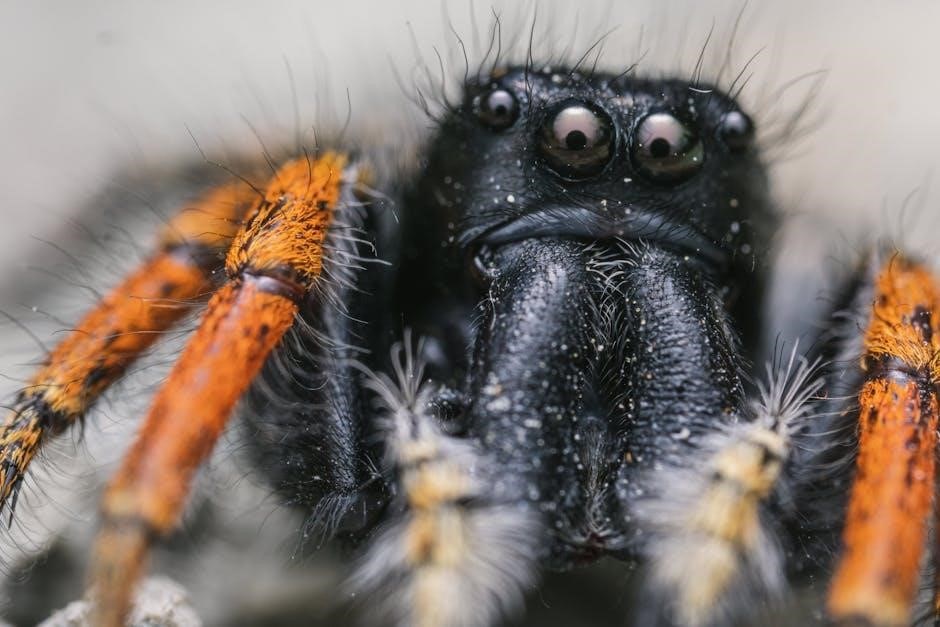
Lack of interest or a sluggish response could indicate illness, improper prey size, or stress. Observe for signs of refusal to eat, which warrants investigation. A strong feeding response confirms your spider is thriving and content.
XI. Troubleshooting Feeding Issues
Addressing feeding problems is crucial for spider health. If your spider refuses to eat, first rule out recent molting – they often skip meals then. Ensure prey isn’t too large or escaping. Adjust temperature and humidity, as extremes can suppress appetite.
For escaping prey, offer smaller items or use a feeding container. If issues persist, consult an experienced keeper or veterinarian. Monitor your spider closely for weight loss or lethargy, indicating a serious problem needing immediate attention.
A. Spider Refusing to Eat
A spider refusing food is a common concern. The most frequent cause is imminent molting; spiders often fast beforehand. Check for pre-molt signs like darkening or lethargy. Ensure proper temperature and humidity, as stress impacts appetite. Try different prey types – crickets, flies, or mealworms – to find a preference.
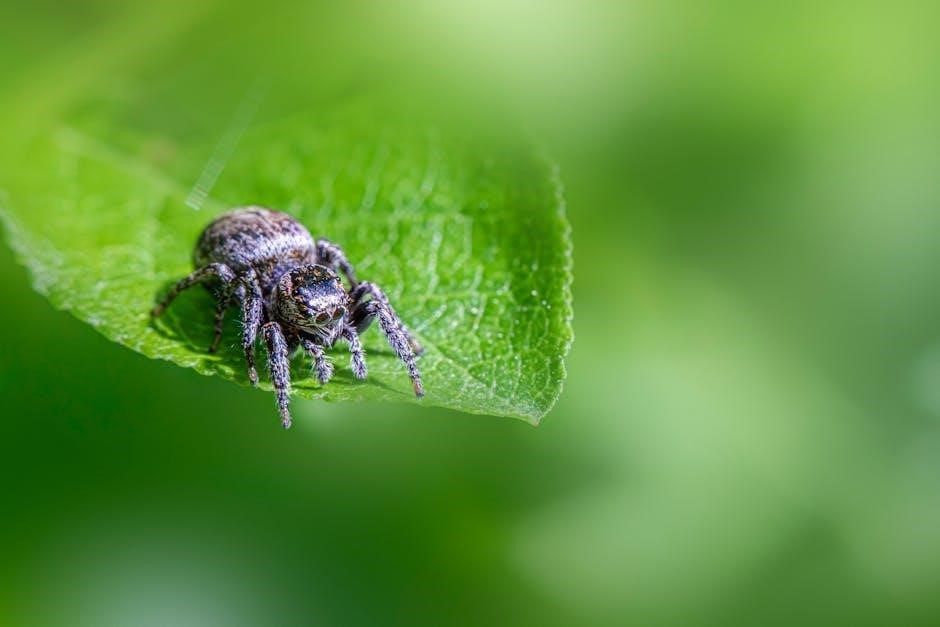
Avoid overfeeding, as this can lead to refusal. Offer food regularly, even if rejected, to encourage hunting instincts. If refusal persists beyond a week, investigate potential health issues and seek expert advice.
B. Prey Escaping
Prey escaping is a frequent challenge with jumping spiders! Their incredible speed and hunting prowess mean insects can quickly evade capture. Use appropriately sized enclosures – too spacious, and prey have room to maneuver. Ensure the enclosure is secure, with no gaps for escape. Consider using a feeding container with smooth sides to limit climbing.
Slightly injuring the prey’s legs (without killing it) can hinder escape. Monitor feeding closely and intervene if necessary. A frustrated spider may become stressed, so minimize escape attempts.
XII. Safe Handling of Prey Insects
Handling prey insects requires caution! Some insects carry parasites or bacteria harmful to both you and your spider. Always wash your hands thoroughly after handling crickets, mealworms, or flies. Avoid direct skin contact as much as possible; use tongs or a small container. Inspect insects for any signs of illness before offering them to your spider.
Store insects properly in a secure container with adequate ventilation and food. Avoid using wild-caught insects due to potential pesticide exposure. Dispose of uneaten prey promptly to prevent infestations.
XIII. Observing Hunting Behavior
Watching your jumping spider hunt is fascinating! These spiders exhibit complex, deliberate hunting strategies, relying on excellent vision and precise pounces. Observe how your spider stalks its prey, carefully positioning itself for a successful attack. Note the silk dragline used as a safety line during jumps.
Hunting behavior indicates health and well-being. A sluggish or uninterested spider may signal underlying issues. Provide varied prey presentation – live, moving targets stimulate natural instincts. Record observations to understand your spider’s individual preferences and hunting style.
XIV. The Role of Vision in Hunting
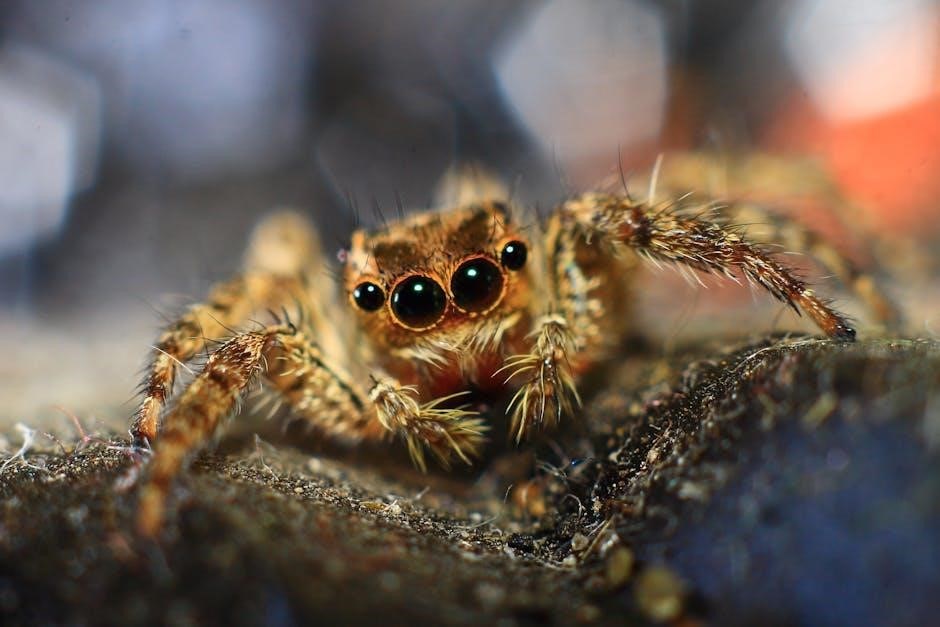
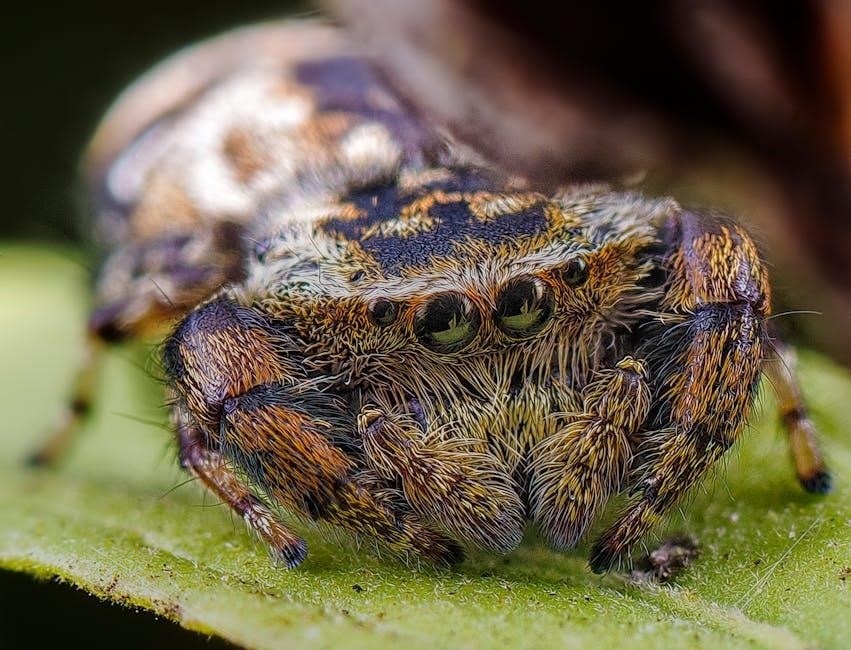
Jumping spiders possess exceptional vision, crucial for their active hunting style. Unlike many spiders relying on webs, these hunters actively seek and stalk prey. Their eight eyes provide a wide field of view and depth perception, enabling accurate distance judgment.
Two large, forward-facing principal eyes offer high-resolution vision, similar to human eyes. This allows them to precisely target prey before executing a calculated jump. Observe your spider focusing intently on moving insects – a clear demonstration of their visual acuity. Vision guides every aspect of their hunt!
XV. Impact of Diet on Molting
A nutritious diet is paramount for successful molting in jumping spiders. Molting, the process of shedding their exoskeleton, requires significant energy and resources. Insufficient nutrition can lead to weak exoskeletons, resulting in failed molts and potential health complications.
Prior to a molt, spiders often refuse food, focusing energy on exoskeleton development. Ensure consistent access to gut-loaded prey leading up to this period. Calcium and vitamin supplementation further supports healthy exoskeleton formation. A well-fed spider molts more easily, growing stronger with each shed!
XVI. Dietary Needs Based on Spider Size & Age
Jumping spider dietary requirements evolve with growth. Spiderlings, rapidly developing, need frequent, small meals – often daily, consisting of pinhead crickets or flightless fruit flies. Juveniles, growing steadily, benefit from slightly larger prey, like small crickets, offered every other day.
Adults require less frequent feeding, typically 2-3 times weekly, with appropriately sized crickets or mealworms. Larger spiders can handle larger prey. Always prioritize prey size relative to the spider’s abdomen; it should be no larger than the body length.
XVII. Avoiding Toxic Prey
Protecting your jumping spider necessitates avoiding toxic insects. Never feed wild-caught insects due to potential pesticide exposure or inherent toxicity. Specifically, avoid brightly colored caterpillars, ladybugs (some species are toxic), and any insect found near treated plants.
Commercially raised insects are generally safer, but research the supplier. Ensure mealworms are gut-loaded with nutritious, non-toxic foods. Always inspect prey for signs of illness or unusual behavior before offering it to your spider, prioritizing its well-being.
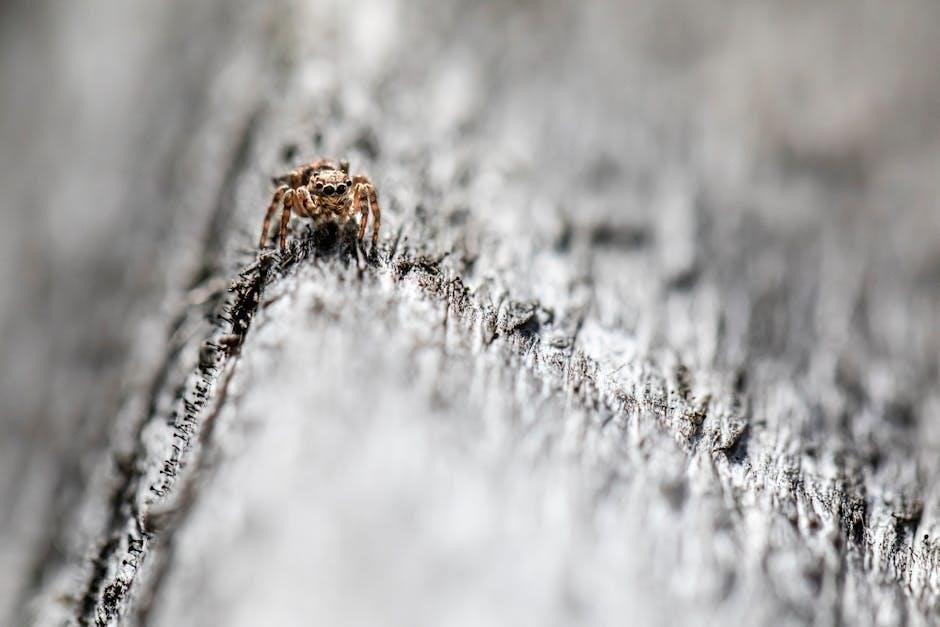
XVIII. Enrichment Through Varied Diets
Beyond basic sustenance, a varied diet enriches a jumping spider’s life. Offering different insect types – flies, crickets, mealworms, and occasionally moths or beetles – stimulates their hunting instincts and provides a broader range of nutrients. Rotation prevents nutritional deficiencies and boredom.
Observe your spider’s preferences; some may favor certain prey. Introduce new foods gradually. This dietary diversity mimics their natural foraging behavior, promoting physical and mental well-being, ultimately contributing to a happier and healthier jumping spider companion.
XIX. Conclusion: Maintaining a Healthy Diet
A consistent, well-planned diet is paramount for your jumping spider’s longevity and vitality. Prioritize appropriately sized, gut-loaded insects, supplemented with calcium and vitamins as needed. Regularly observe your spider’s feeding response and adjust the schedule based on its age and size.
Remember to provide a clean water source and avoid toxic prey. Enrichment through dietary variety keeps them stimulated. By diligently following these guidelines, you’ll ensure your jumping spider thrives, exhibiting vibrant health and captivating hunting behaviors for years to come.